Most people associate high cholesterol with heart and blood vessel disease. However, dyslipidemia can also have a negative impact on eye health. Poor circulation in the retina may lead to vision loss and, in severe cases, irreversible damage. This is why controlling cholesterol levels is important not only for cardiovascular prevention, but also for protecting your eyesight.
What Is Dyslipidemia?
Dyslipidemia is a disorder of lipid metabolism. It may involve elevated LDL cholesterol, often referred to as “bad cholesterol”, high triglyceride levels, or reduced HDL cholesterol, commonly known as “good cholesterol”.
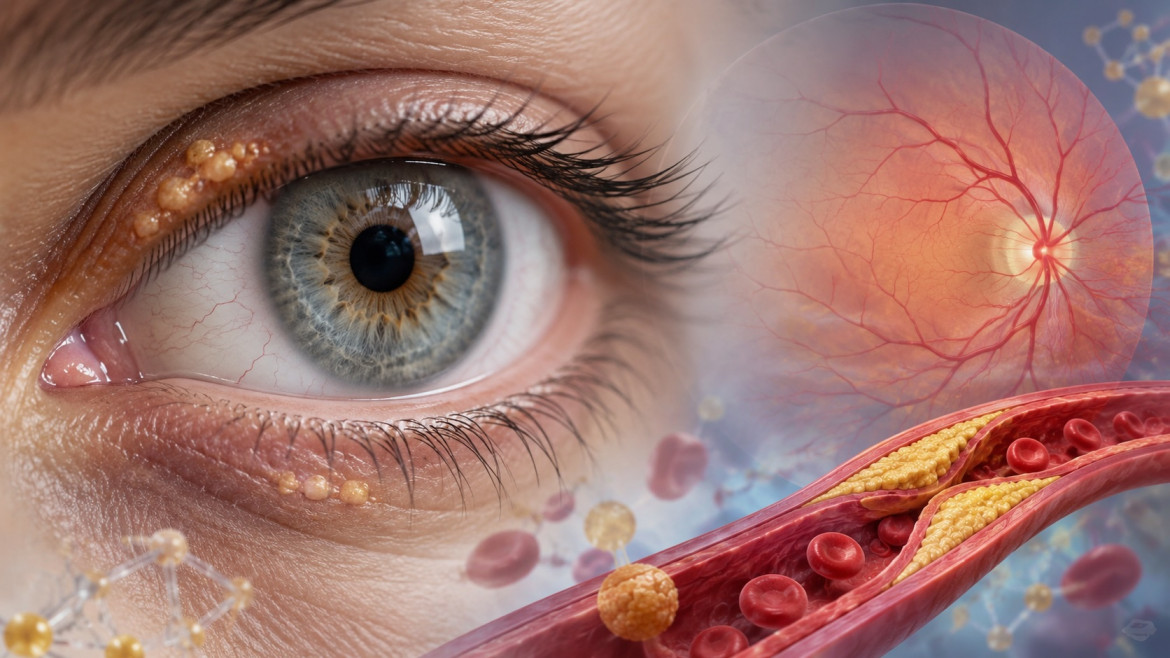
This condition contributes to the formation of atherosclerotic plaques in the walls of blood vessels, making normal blood flow more difficult. As a result, the risk of cardiovascular disease, stroke, and certain eye conditions increases.
How Does Dyslipidemia Affect Vision?
The retina is one of the most highly vascularized tissues in the body. Its blood vessels are extremely small, which means that even minor changes in blood flow can affect retinal function and lead to reduced vision.
Main Eye Conditions Associated with Dyslipidemia
Central retinal artery or vein occlusion
Cholesterol deposits may contribute to blockage of the retinal blood vessels. This condition can cause sudden vision loss and requires urgent medical attention. In severe cases, the loss of vision may be permanent.
Amaurosis fugax
Amaurosis fugax is a temporary loss of vision in one or both eyes caused by a brief interruption of blood supply to the eye. These episodes should be considered a warning sign and require medical and vascular evaluation.
Changes in color vision
Circulatory problems affecting visual structures may reduce the ability to distinguish colors accurately.
Xanthelasma and corneal arcus
Xanthelasma are yellowish fatty deposits that appear on the skin of the eyelids. Another characteristic sign may be a whitish or greyish ring around the cornea, known as corneal arcus. Although these changes do not always directly affect visual acuity, they may indicate an underlying lipid metabolism disorder.
Symptoms to Watch For
Dyslipidemia often develops without obvious symptoms, which is why it is frequently considered a “silent” risk factor. However, certain eye-related signs may point to possible circulatory or metabolic problems:
- blurred vision;
- sudden loss of vision in one or both eyes;
- persistent spots, shadows, or floaters;
- yellowish plaques on the eyelids, known as xanthelasma;
- a whitish or greyish ring around the iris.
If any of these symptoms appear, it is advisable to consult an ophthalmologist as soon as possible.
Causes and Risk Factors
Dyslipidemia may be hereditary, as in familial hypercholesterolemia, or it may be acquired and related to lifestyle factors or other medical conditions.
The main risk factors include:
- a diet high in saturated and trans fats;
- lack of physical activity;
- smoking;
- excessive alcohol consumption;
- overweight or obesity;
- type 2 diabetes;
- hypothyroidism.
Diagnosis of Dyslipidemia and Eye Examination
Dyslipidemia is diagnosed through a blood test that measures total cholesterol, LDL cholesterol, HDL cholesterol, and triglyceride levels.
An ophthalmological examination can help detect changes in the retinal blood vessels even before significant symptoms appear. This assessment usually includes:
- visual acuity testing;
- examination of the back of the eye;
- retinal imaging;
- additional imaging tests, if considered necessary by the specialist.
According to specialists at Oftalvist , preventive eye examinations can help identify early signs of vascular changes and allow timely action.
Treatment and Prevention: How to Protect Your Vision
The main goal of treatment is to normalize blood lipid levels and reduce the risk of vascular complications. Depending on each case, a doctor may recommend lifestyle changes and, when necessary, medication such as statins or other lipid-lowering drugs.
To help prevent complications, it is recommended to:
- check cholesterol levels regularly, especially after the age of 40;
- attend preventive eye examinations, particularly in the presence of family history, diabetes, or cardiovascular disease;
- follow a Mediterranean-style diet rich in vegetables, fruit, fish, olive oil, and foods containing omega-3 fatty acids;
- maintain regular physical activity;
- avoid smoking, as it directly damages the blood vessels of the retina.
Frequently Asked Questions
Can dyslipidemia cause blindness?
Yes. In severe cases, blockage of the central retinal artery can cause irreversible vision loss in the affected eye. For this reason, controlling cholesterol is important not only for cardiovascular health, but also for maintaining healthy vision.
Do xanthelasma go away on their own?
No. Xanthelasma usually do not disappear without treatment. In addition to possible cosmetic removal, it is important to investigate the underlying cause and assess the patient’s lipid profile.
At what cholesterol level does the risk to the eyes increase?
The risk of vascular complications starts to increase when LDL cholesterol is above 160 mg/dL. When total cholesterol is above 240 mg/dL, the likelihood of vascular changes, including those affecting the retinal vessels, may rise significantly.
Regular cholesterol monitoring and preventive eye examinations can help detect changes early, protect eye health, and reduce the risk of serious complications. If risk factors are present, it is advisable not to delay a consultation with a specialist.